Why Your Rebrand Needs to Start with Strategy, Not Design
Every rebrand I've seen fail had one thing in common: it started with how things looked, not what they meant.
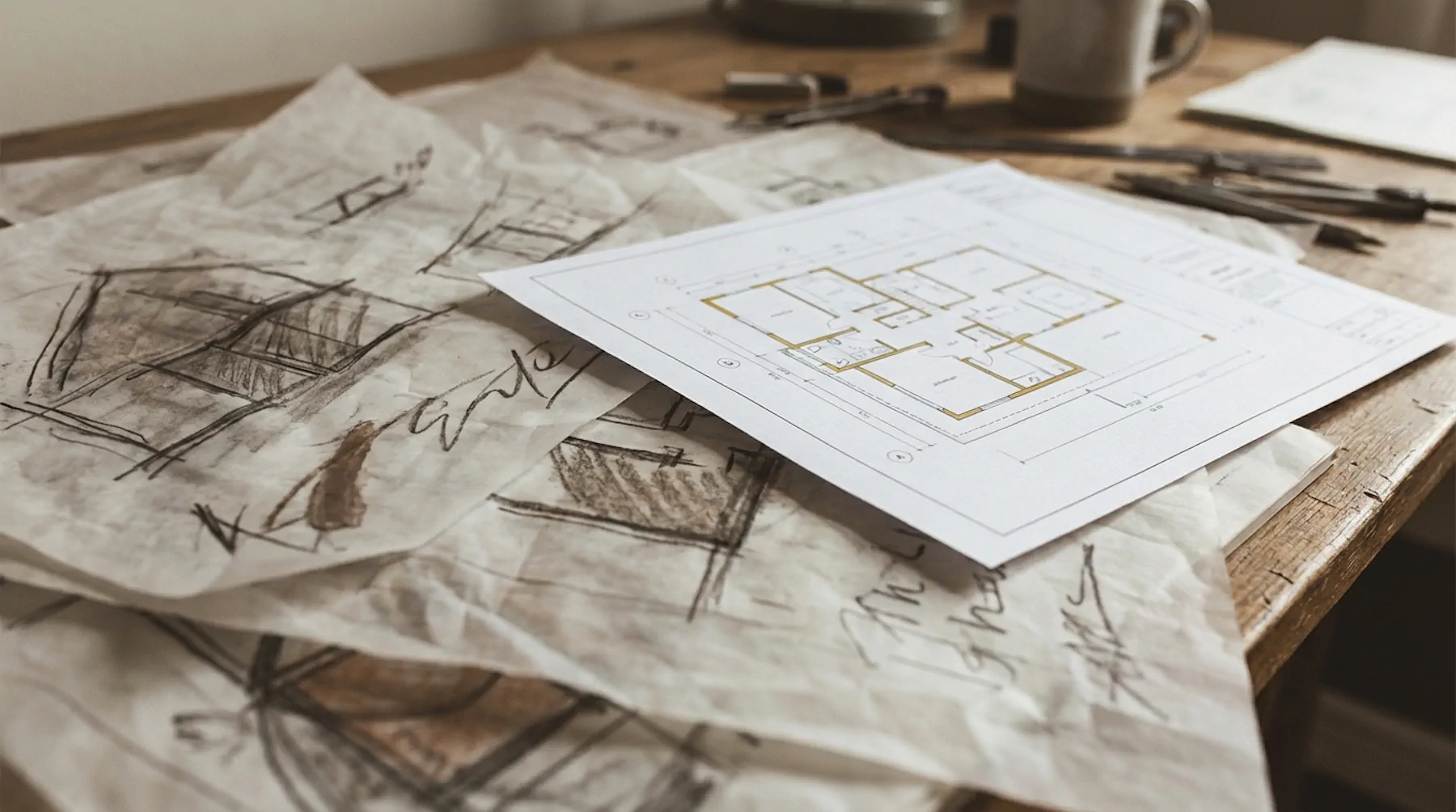
A rebrand should start with strategy, not design.
Without clear positioning, audience definition, and differentiation, a new visual identity only makes existing confusion look more polished.
I've lost count of how many rebrands I've seen that started in exactly the wrong place.
New logo. Fresh colour palette. Shiny website. The whole visual overhaul, delivered on time and on budget. And six months later, the business is back where it started. Same confused messaging. Same inconsistency across every touchpoint. Same blank looks from the sales team when a prospect asks what makes them different.
The design was never the problem. The thinking (or lack of it) underneath was.
The pattern I keep seeing
A founder reaches that inflection point where the brand clearly isn't keeping pace with the business. Revenue is growing, the team is expanding, but the visual identity still looks like it was cobbled together in the early days. Because it was.
So they hire a design agency. A good one, often. The deliverables come back looking sharp. Modern type. Sophisticated colour system. The kind of brand identity that wins design awards and looks brilliant in a case study.
But here's the thing nobody talks about: design awards and business results are two very different measures of success.
Within a few months, the cracks start showing. Sales conversations still feel disjointed. Marketing can't articulate a consistent message. New hires struggle to explain what the company actually stands for. The CEO says one thing on a podcast, the website says another, and the pitch deck tells a third story entirely.
The rebrand didn't fail because the design was bad. It failed because nobody answered the hard questions before the design work began.
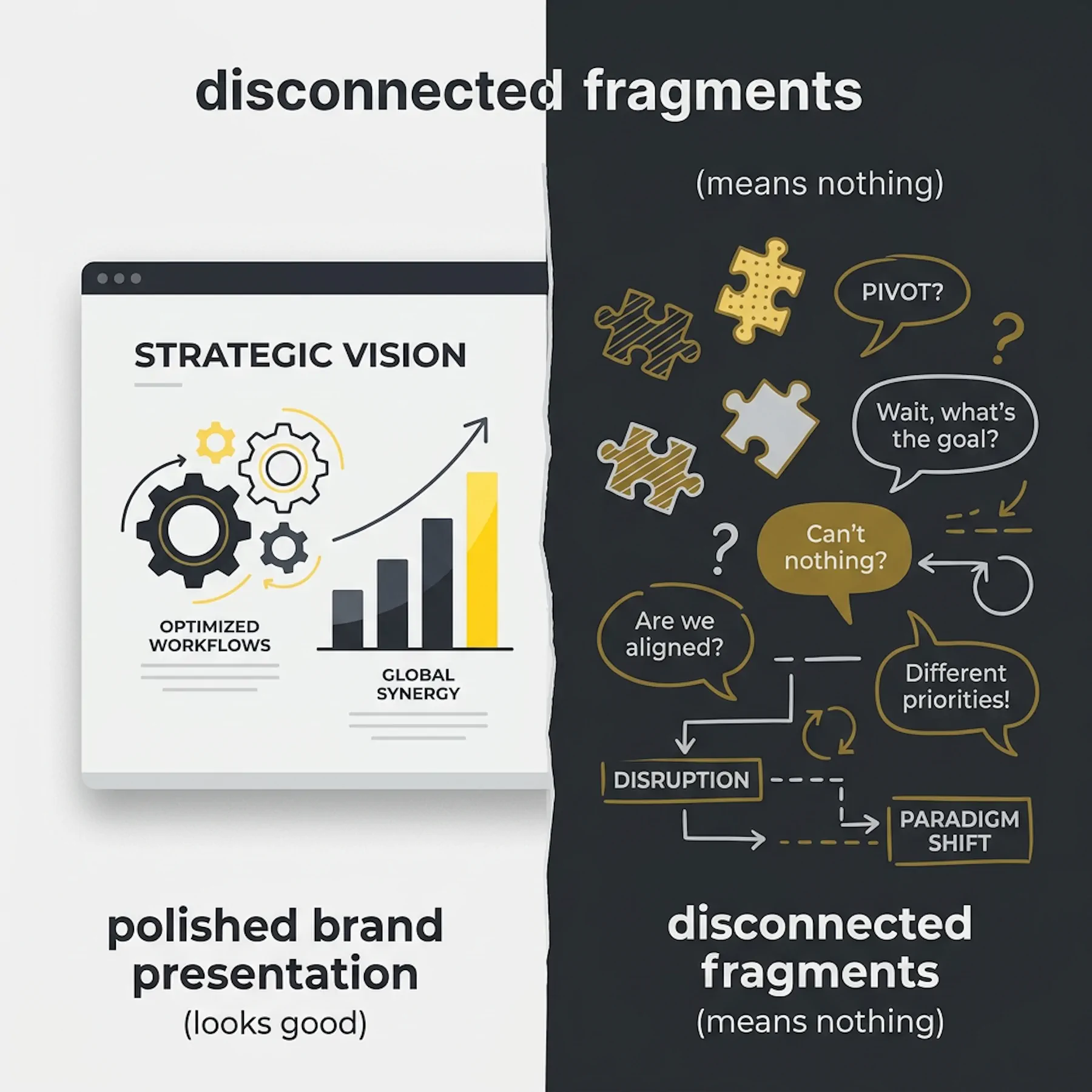
Design is an expression, not a solution
This is the mistake I see scaling founders make more than any other: treating a rebrand as a design project when it's actually a strategic one.
A new visual identity can't fix confused positioning. It can't align a team that has three different ideas about who the business serves. It can't articulate a value proposition that nobody has taken the time to define. All it can do is make the confusion look more polished.
Polished confusion is arguably worse than the DIY version, because it gives everyone a false sense of progress.
The business invested real money and real time. People assume the big questions have been answered. But nothing underneath has actually changed.
The questions that should come first
Before anyone opens a design application, before a single colour swatch gets discussed, a rebrand needs honest answers to four questions:
Who are we now? Not who you were three years ago when you started. Not who you aspire to be in five years. Right now, today, what does this business actually do, and why does it matter?
Who do we serve? And I mean specifically. "Everyone" is not an audience. The businesses that grow fastest are the ones that get brutally clear about who they're for and, just as importantly, who they're not for.
What makes us genuinely different? Not your features list. Not what you wish made you different. What is the real, provable reason someone chooses you over the alternatives?
Where are we going? Not a vague aspiration. An actual direction with enough clarity that every decision, from hiring to product development to how you show up at a conference, can be tested against it.
These are strategic questions. They require proper interrogation, not a brainstorm in a meeting room with Post‑it notes. And when you answer them honestly, the design direction tends to reveal itself.

What happens when strategy leads
I worked with a founder recently who came to me wanting a "more premium" look. The business had grown significantly, and the brand felt too scrappy for the stage they were at. The instinct was to go sleek and sophisticated. Enterprise‑ready.
But when we did the strategic work first, mapping out the mission, the audience, the positioning, it became clear that "premium" was the wrong direction entirely. Their actual strength was speed and agility. Their customers chose them specifically because they weren't the slow, polished corporate option. The scrappiness wasn't a flaw. It was the competitive advantage.
The rebrand we delivered leaned into that energy instead. Bold, direct, and unapologetically fast. The result? Their conversion rate on new business proposals jumped within the first quarter. Not because the design was clever, but because it was honest. It reflected what the business actually was, and that resonated.
Compare that to what would have happened if we'd gone straight to "premium" visuals. We'd have built a brand that looked nothing like the experience of actually working with them. Every client interaction would have felt like a bait and switch.
The expensive cycle of getting it backwards
I've watched businesses rebrand two, sometimes three times within a few years. Each time spending real money. Each time getting something that looked good but didn't work. And each time asking the same question: "What should we look like?"
That's always the wrong starting point. The right question is: "Who are we?"
When you know who you are, with genuine clarity and conviction, the visual expression becomes almost obvious. Colour choices, typography, imagery, tone of voice, the whole identity system flows naturally from a clearly defined strategic position. You stop second‑guessing creative decisions because you have a framework to evaluate them against.
This is exactly why I built strategy into the front end of every project I take on. Before I design anything, I work through the strategic foundations with the founder. The mission. The audience. The positioning. It's not a box‑ticking exercise; it's where the real value gets created. Because when strategy leads, design follows with purpose.
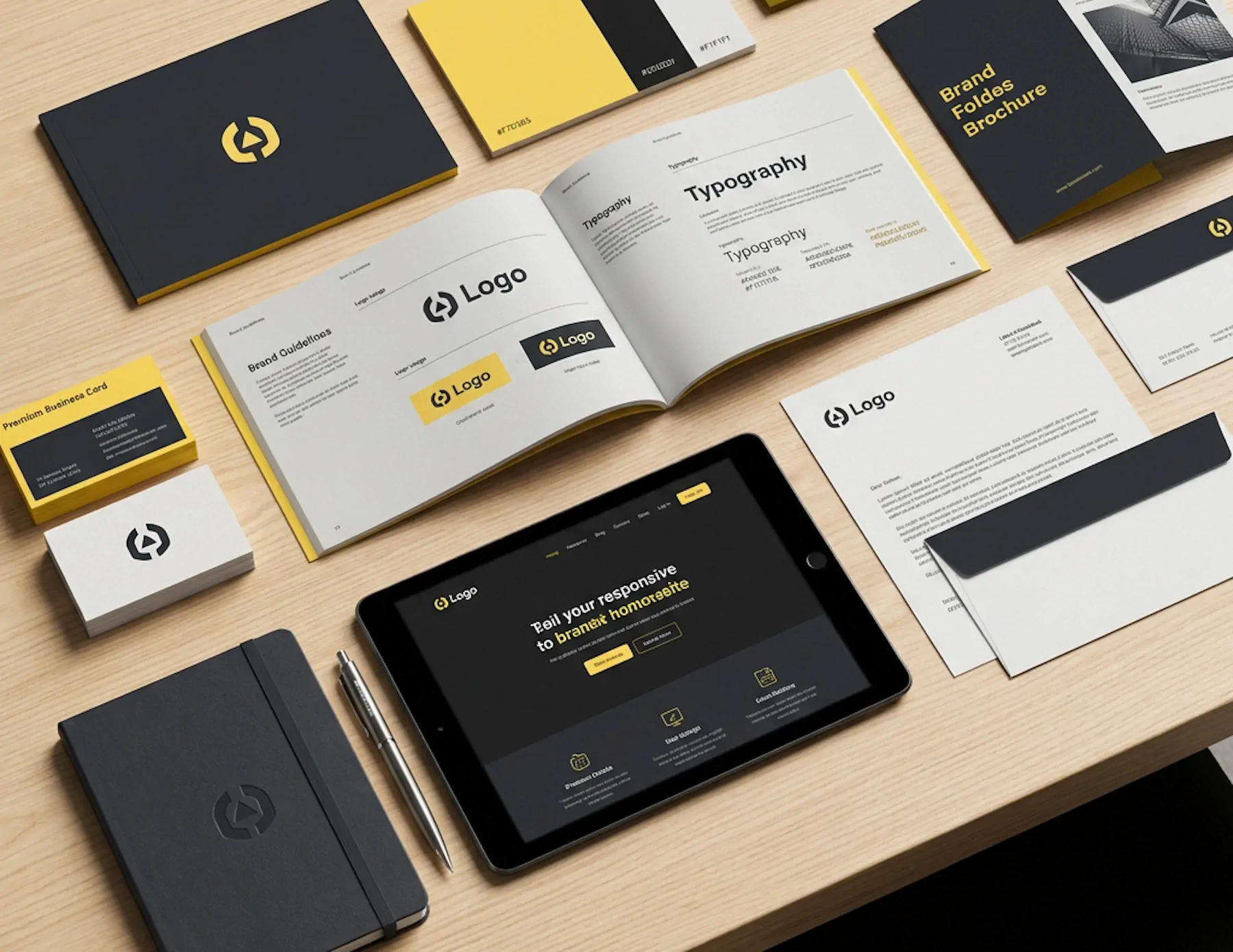
Strategy isn't a luxury. It's the foundation.
I understand why founders skip it. Strategy feels abstract. It's harder to put on a slide than a new logo. And when you're scaling quickly, there's pressure to show tangible progress. A new visual identity feels like progress. It's visible. It's shareable. People comment on it.
But a brand that looks great and says nothing is just decoration. And decoration doesn't close deals, attract the right talent, or give your team a story they can tell consistently.
Your brand is the bridge between what your business does and how the world experiences it. If that bridge is built on assumptions and aesthetics alone, it won't hold weight.
If it's built on genuine strategic clarity, it becomes one of the most powerful tools in your business.
So if you're thinking about a rebrand, start with the uncomfortable questions. Sit with them. Be honest about the answers, even when they're not what you expected. Then, and only then, start thinking about what it should look like.
That's the difference between a rebrand that works and one that just looks like it does.